
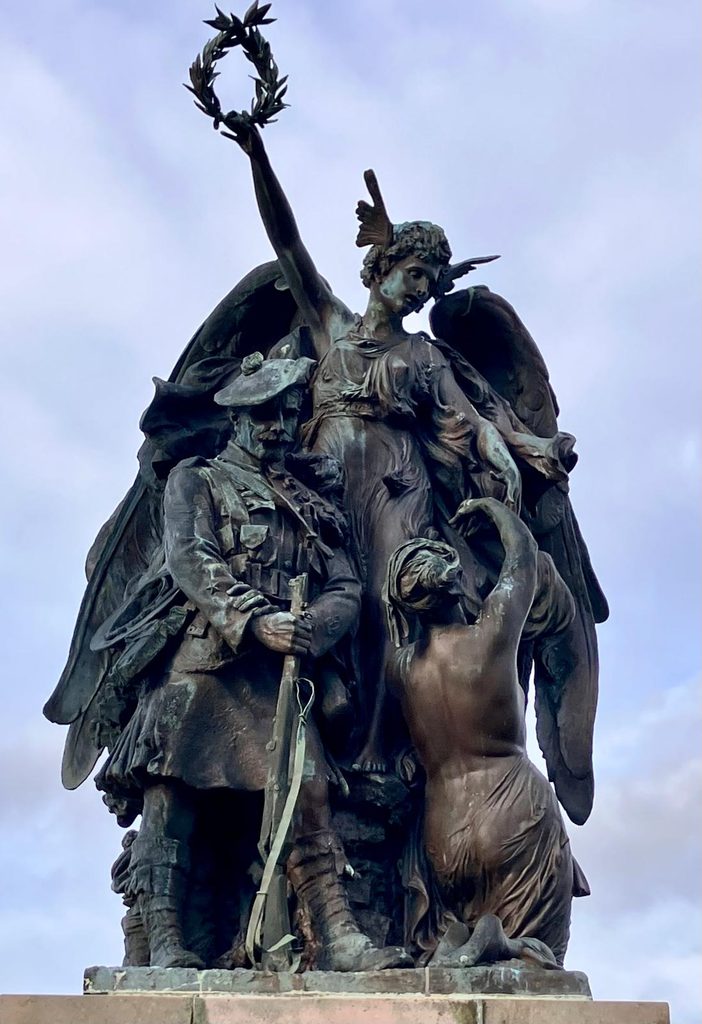
In my years as a battlefield guide and researcher, I’ve visited many war memorials. One of the most dramatic is Le Mort-Homme, the First World War memorial near Chattancourt, north-west of Verdun, where a skeletal soldier rises above the battlefield. Of all the memorials I’ve seen, though, and only my personal opinion, Glenelg War Memorial in Scotland is the most beautiful.
A setting shaped by remembrance
The setting is part of the story. Le Mort-Homme stands on heights fiercely contested during the Battle of Verdun. In Flanders, the Scottish Memorial stands on Frezenberg Ridge, where Scottish battalions fought during the Passchendaele offensive in 1917 in Belgium. At both places, the ground beneath the monument is the ground the men fought over.
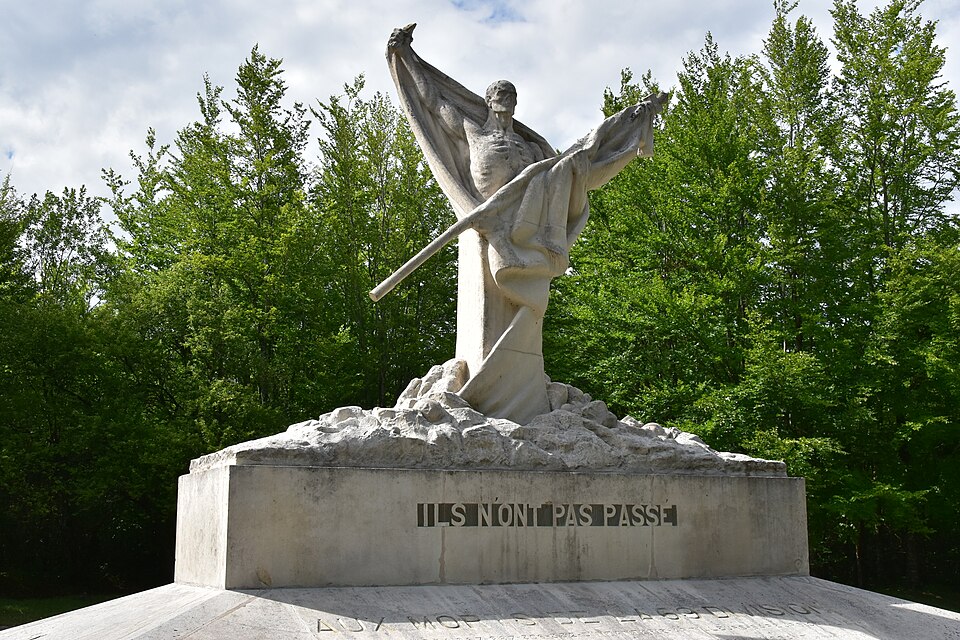
At Le Mort-Homme, the monument shows a skeletal soldier wrapped in a French flag. It was sculpted by Jacques Froment-Meurice and unveiled in 1922 to commemorate the fighting at Verdun. Its inscription reads Ils n’ont pas passé – “They did not pass.”
At Glenelg, the war memorial stands beside the site of the old village pier, where local men are believed to have embarked as they left for war.
I remember walking towards it that day and being quite taken aback. The sight of it genuinely took my breath away. I hadn’t expected such a reaction, and even now I’m not entirely sure why. Perhaps it was because war memorials in small Highland villages tend to be modest affairs, often reflecting the limited means of the communities that raised them. Most were funded by public subscription, at a time when many families had very little money to spare.
But this memorial was different. There was nothing modest about its scale or presence. It was a striking and beautiful monument, far grander than anything I would have expected to find in such a small, remote village.
And so my curiosity was stirred. Why was such an impressive memorial standing here, on the edge of a tiny village in the north-west Highlands, reached only by the wonderfully scenic drive over the Mam Ratagan Pass?
I wanted to find out the story behind it.
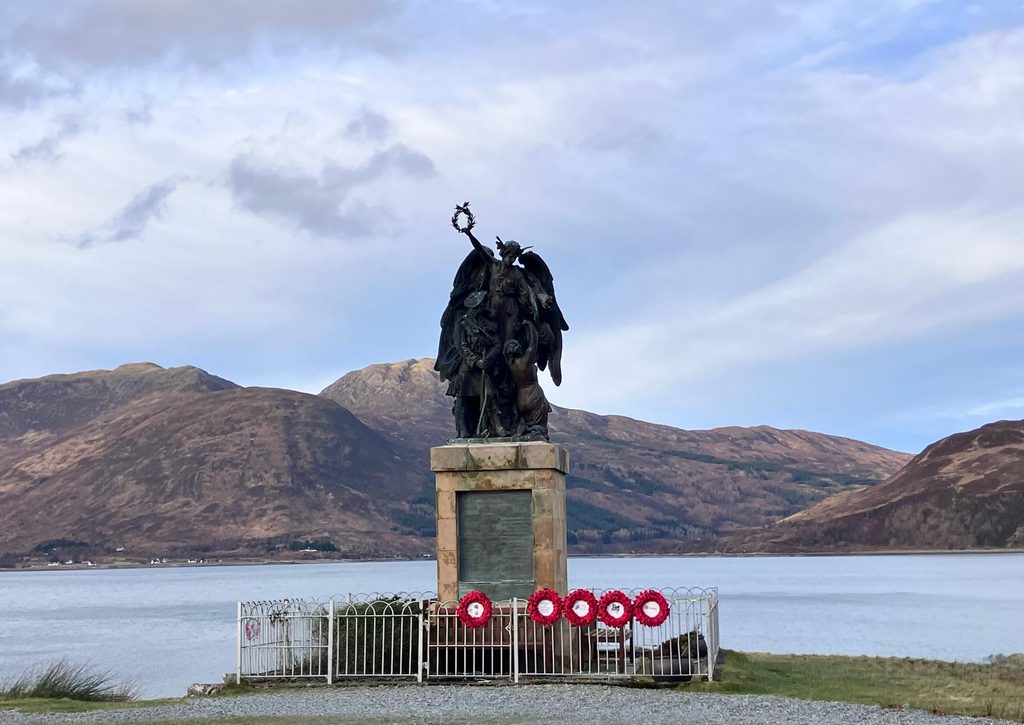
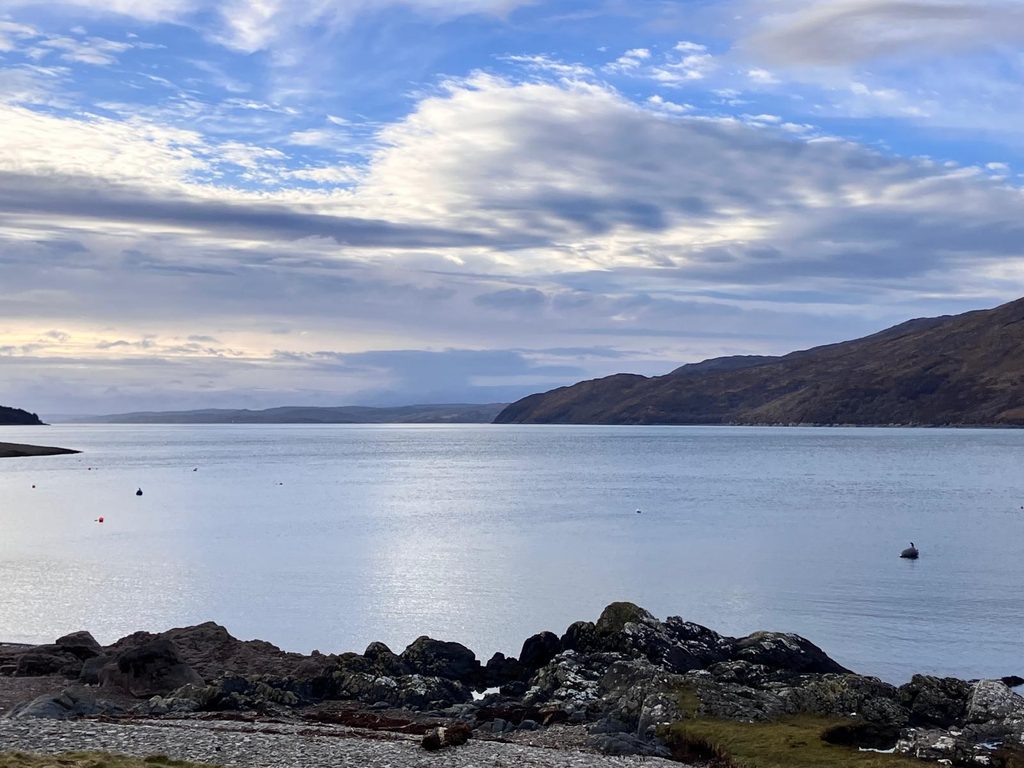
The view across Kyle Rhea is breathtaking, and so is the bronze group. Of all the figures, it’s the kilted soldier with his head bowed who draws my eye. I find myself looking from him to the water, thinking of the men who left this shore and what awaited some of them in the mud of Flanders and the Somme.
The men who left home
For some of the young men who enlisted, war promised adventure and a chance to be part of something they felt they couldn’t miss. There was talk of being home by Christmas. For young men from the Highlands and Islands who had rarely travelled far from home, even the journey south to a training camp could take them farther than they had ever been. Young Scots volunteered in their thousands. When news of the dead began to reach home, the losses were felt across small communities like Glenelg, where the names on the casualty lists belonged to people their neighbours had known all their lives.
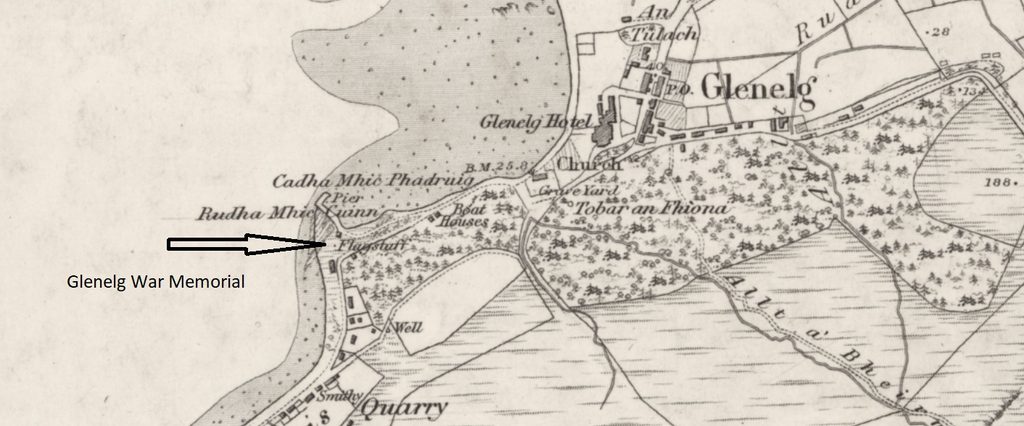
Many of the soldiers who died in the Great War were buried in cemeteries cared for by the Imperial War Graves Commission, now the Commonwealth War Graves Commission. Some were buried as unknown soldiers beneath the words “Known Unto God”; others were lost in the mud of Flanders and the Somme.
That is why war memorials sprang up in the smallest towns and villages and on the smallest islands: grieving relatives needed somewhere physical to pay their respects. Often funded by public subscription, these monuments could take time to build. At Glenelg, the story began while the war was still being fought, with one woman: Lady Scott of Eileanreach.
Lady Scott and the losses behind the memorial
When Lady Scott’s husband, Sir Henry Hall Scott, died in 1911, the gross value of his estate was declared at £421,790, equivalent to about £54 million in 2026. In his will, he left £1,000 to the poor of Lochcarron and a further £1,000 to the poor of Glenelg and Arnisdale. Each bequest was worth roughly £128,000 in 2026 purchasing power. Within five years, Lady Scott had lost her husband, her son-in-law and her son.
Lady Scott of Eileanreach first proposed a war memorial for Glenelg in December 1916, while the fighting was still going on. By then she had lost both her son-in-law, Roland Stuart Hebeler, who died of wounds sustained on the Somme in September 1915, and her son, Captain George Henry Hall Scott, who was killed on the opening day of the Battle of the Somme on 1 July 1916.
Captain Roland Stuart Hebeler
7th Battalion, The Queen’s (Royal West Surrey Regiment)
On 15 September 1915, a German mine exploded near the Tambour trenches at Bécordel-Bécourt, south east of Albert on the Somme. According to the battalion’s war diary, Captain Roland Stuart Hebeler and Lieutenant L. W. M. Howard went to investigate a report that men had been buried when a shelter collapsed. While they were in the trench, a mortar bomb landed nearby, killing Howard. Lt Howard was buried in the cemetery nearby, now called Norfolk Cemetery at Bécordel-Bécourt. He was 29 years old.
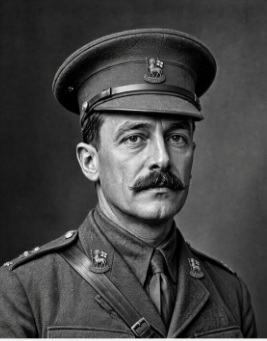
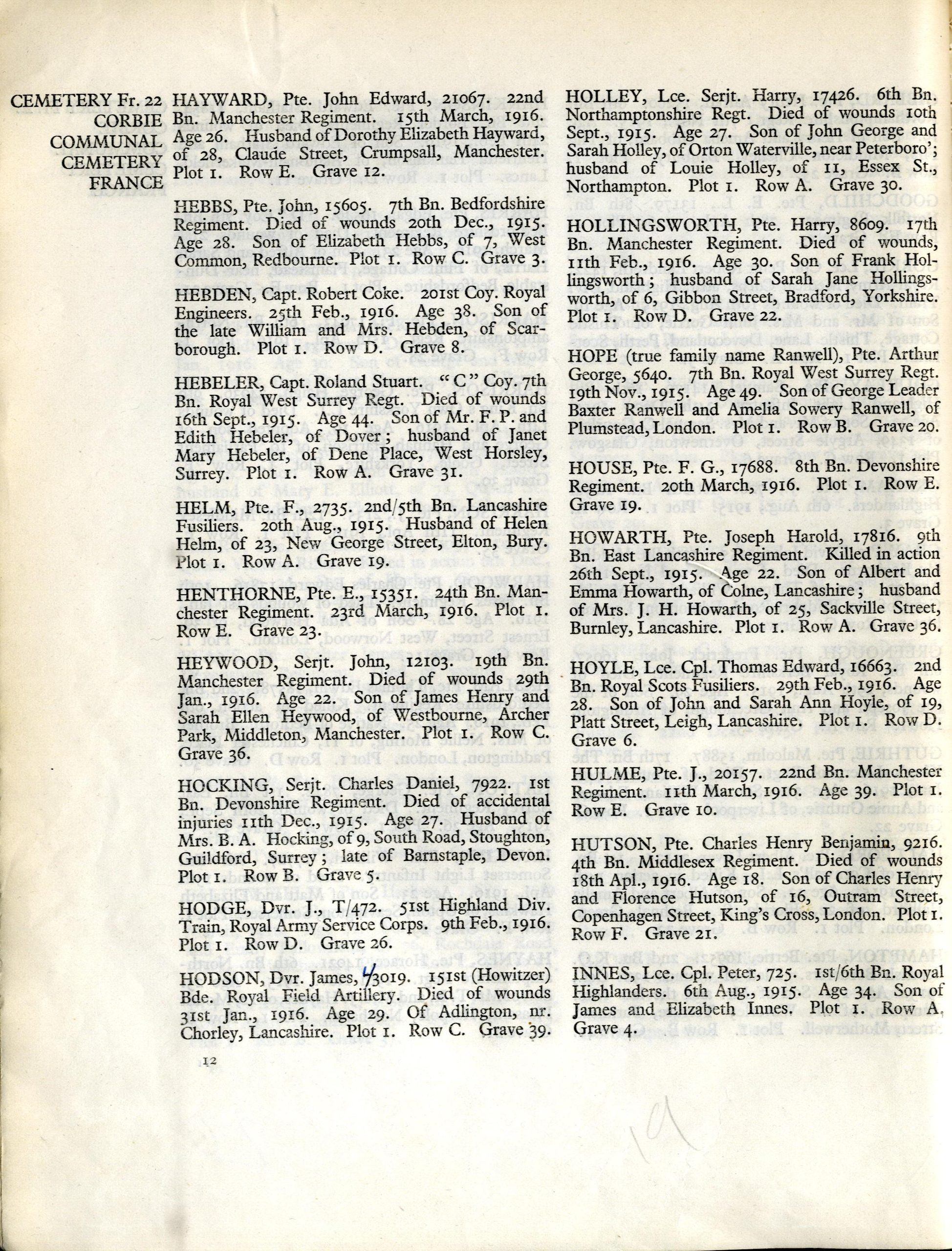
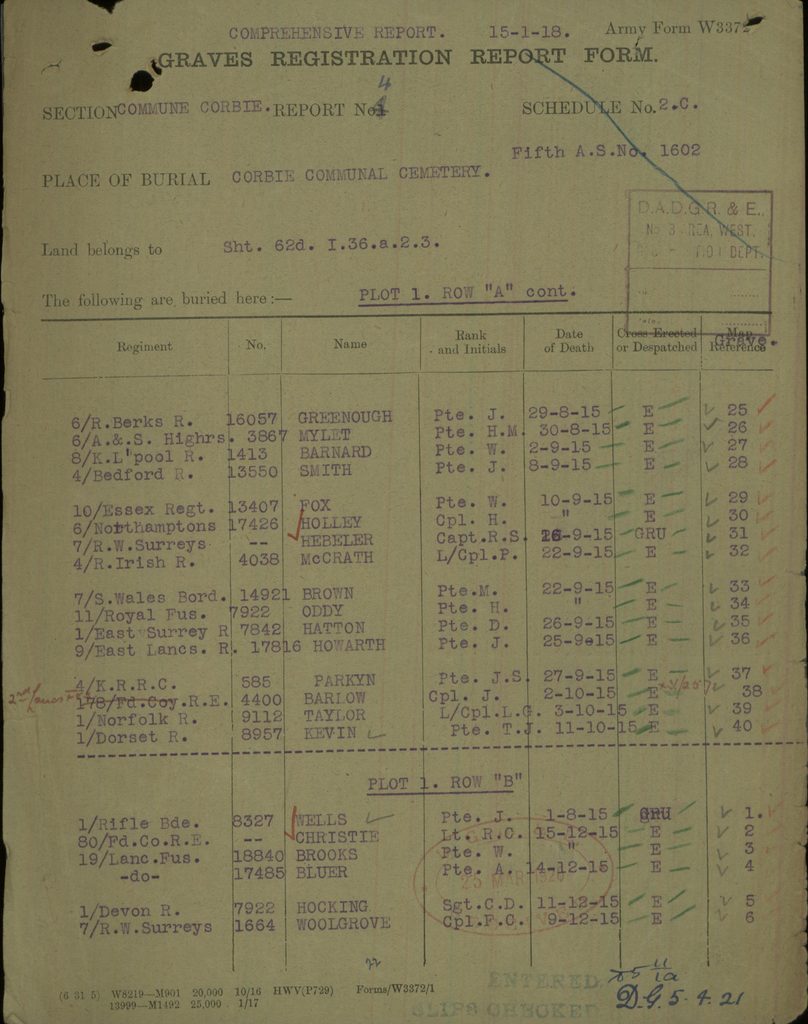
Hebeler died the following day, 16 September 1915, at the Central Clearing Station in Corbie, just behind the lines of the Somme battlefront. He is buried in Corbie Communal Cemetery. He was 44.
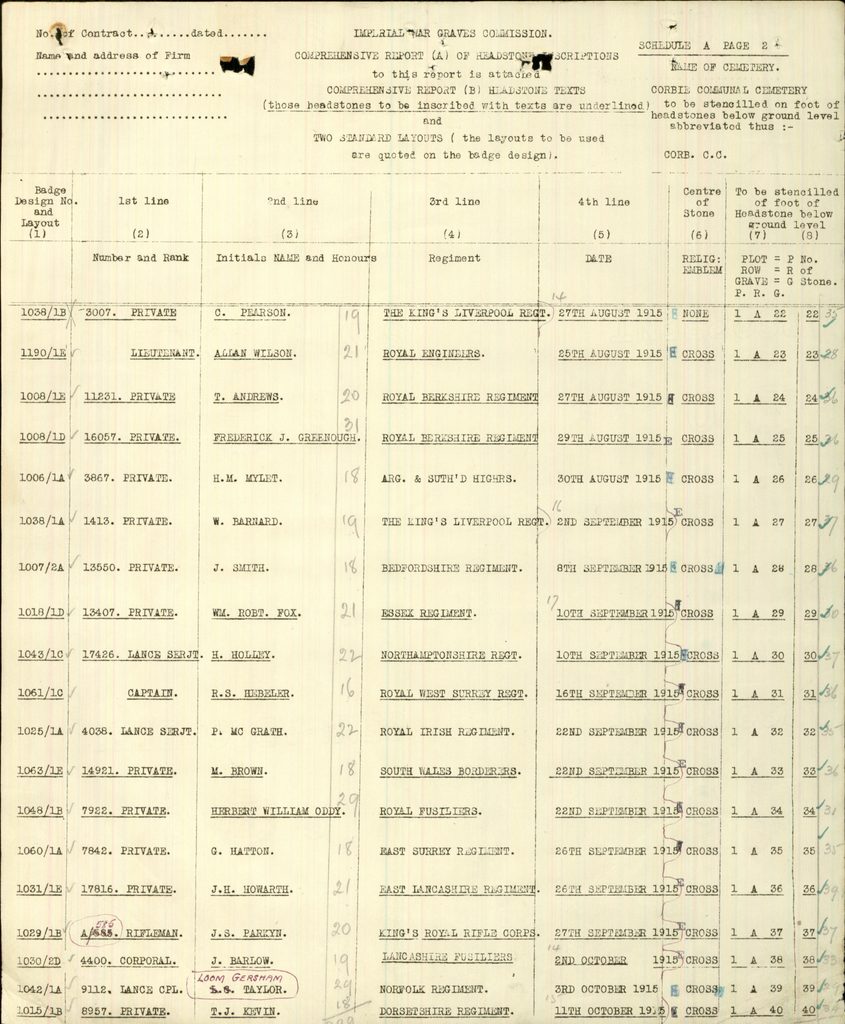
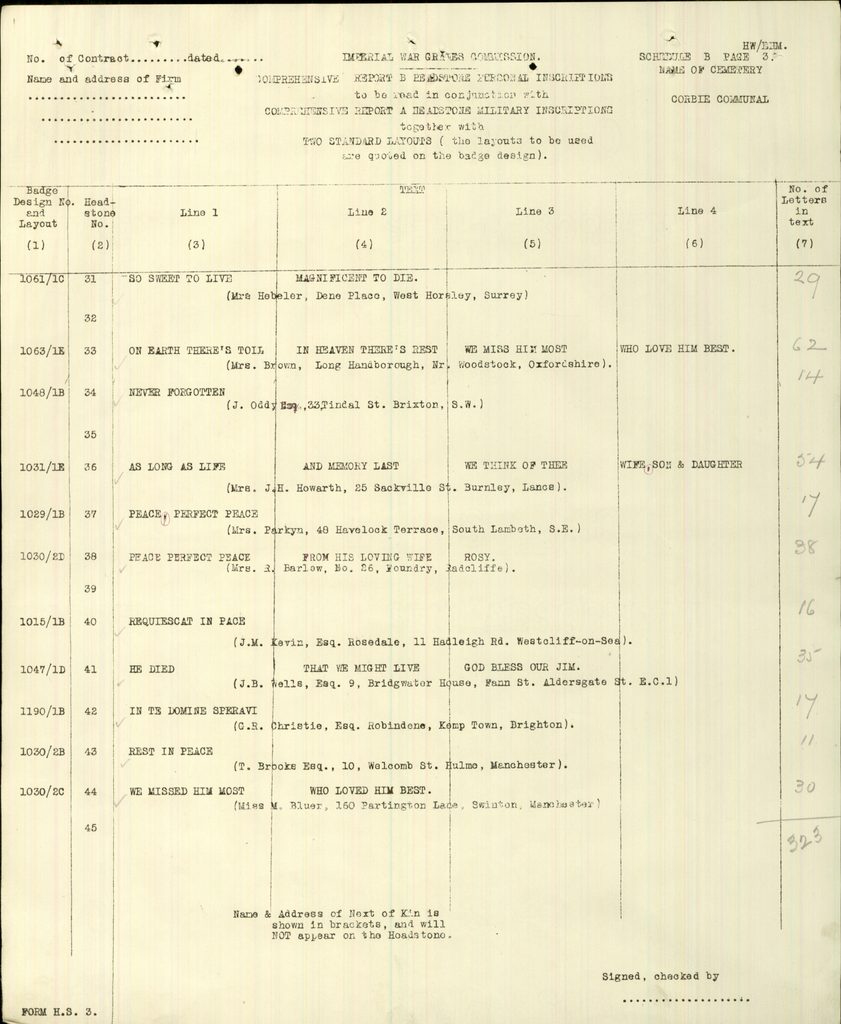
Captain George Henry Hall Scott
George and his brother-in-law, Captain Roland Stuart Hebeler, both served in C Company of the 7th Battalion, The Queen’s (Royal West Surrey Regiment), and may have travelled to France together in July 1915. On 1 July 1916, the opening day of the Battle of the Somme, George’s battalion captured and held its objective, Montauban, in the southern sector of the British line. The British Army suffered nearly 60,000 casualties that day.
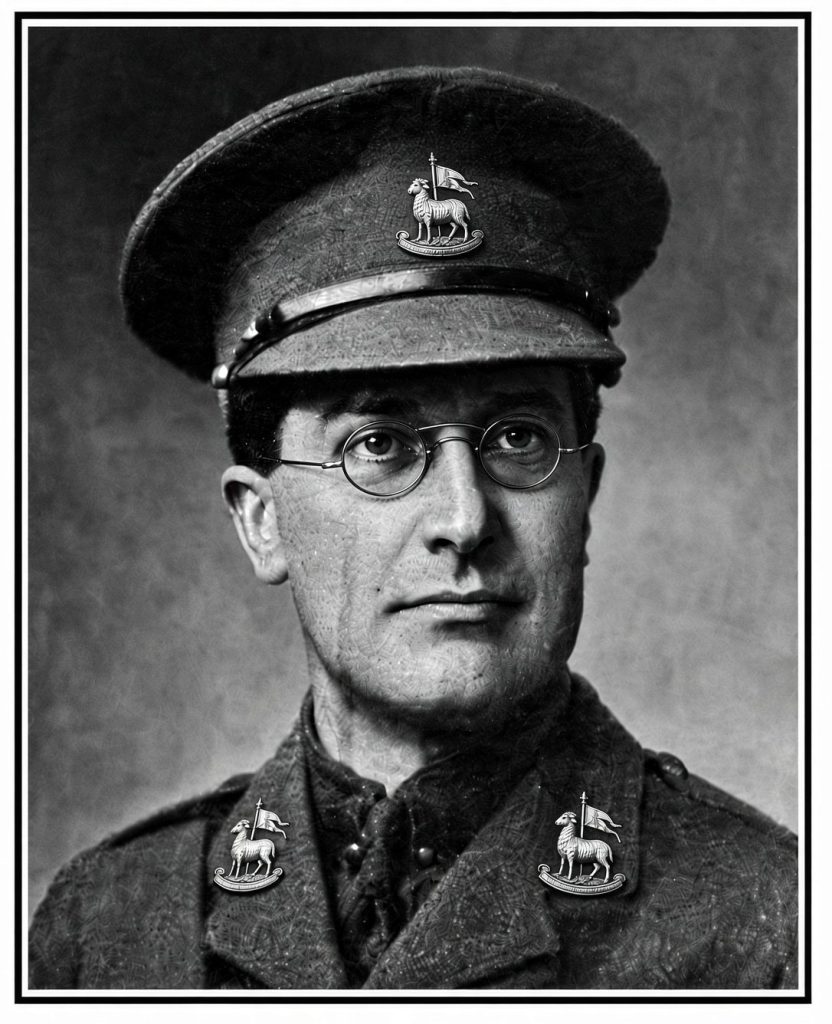
C Company had been held in battalion reserve, while George was stationed at the battalion report centre. By about 8.30 a.m., no word had arrived from his company, so he went forward to discover what had happened. He was killed in front of the German lines, aged 34.
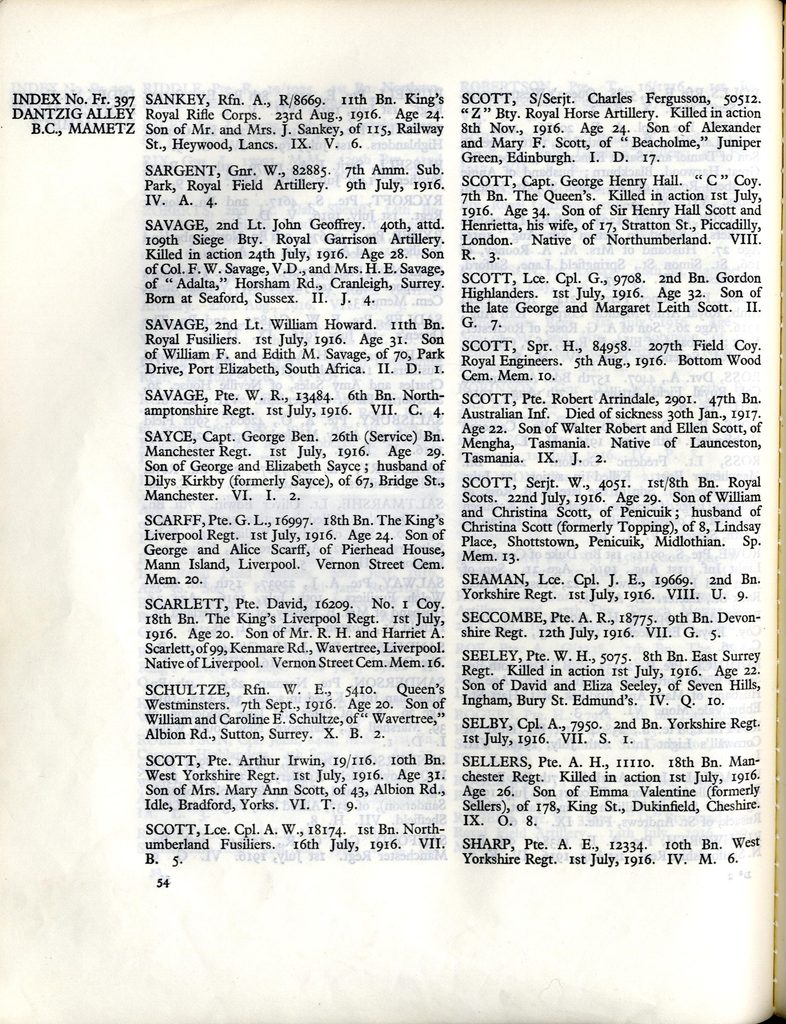
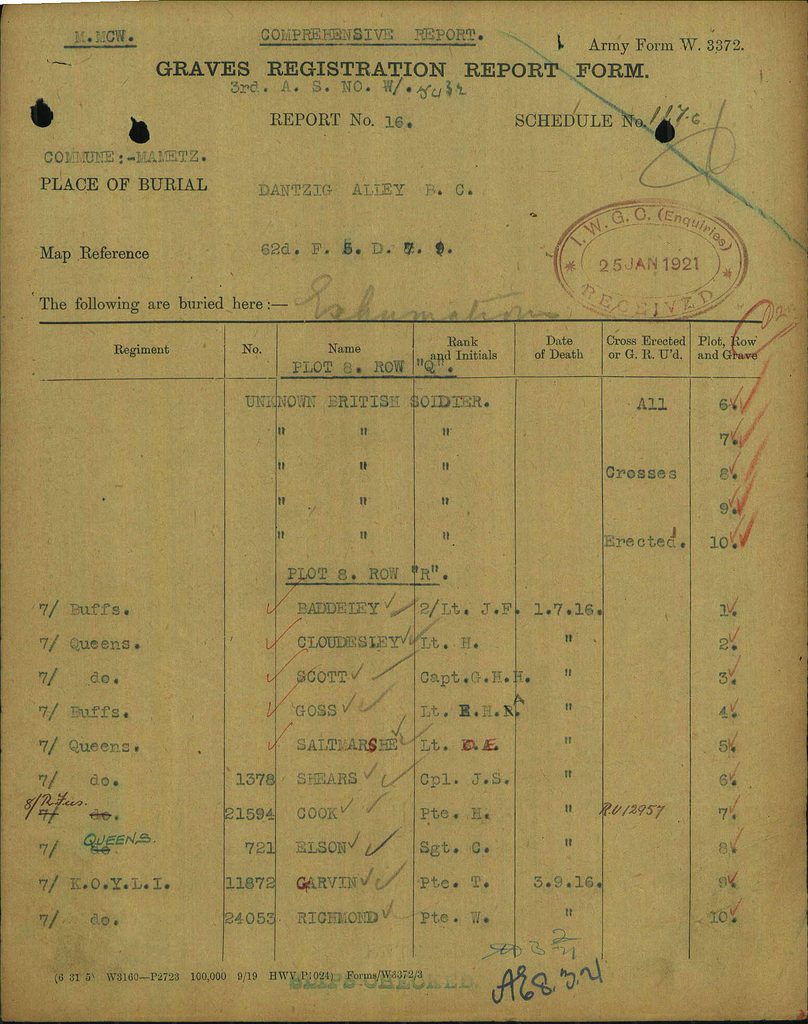
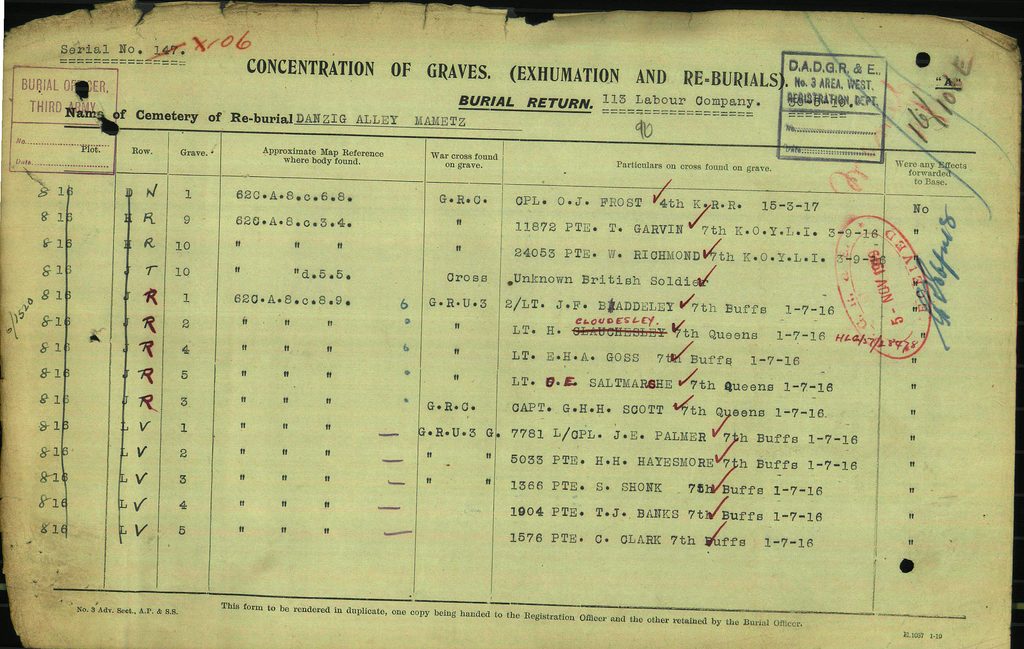
He was initially buried in a battlefield grave at map reference 62C A8 c89, just north of Carnoy and Maricourt.
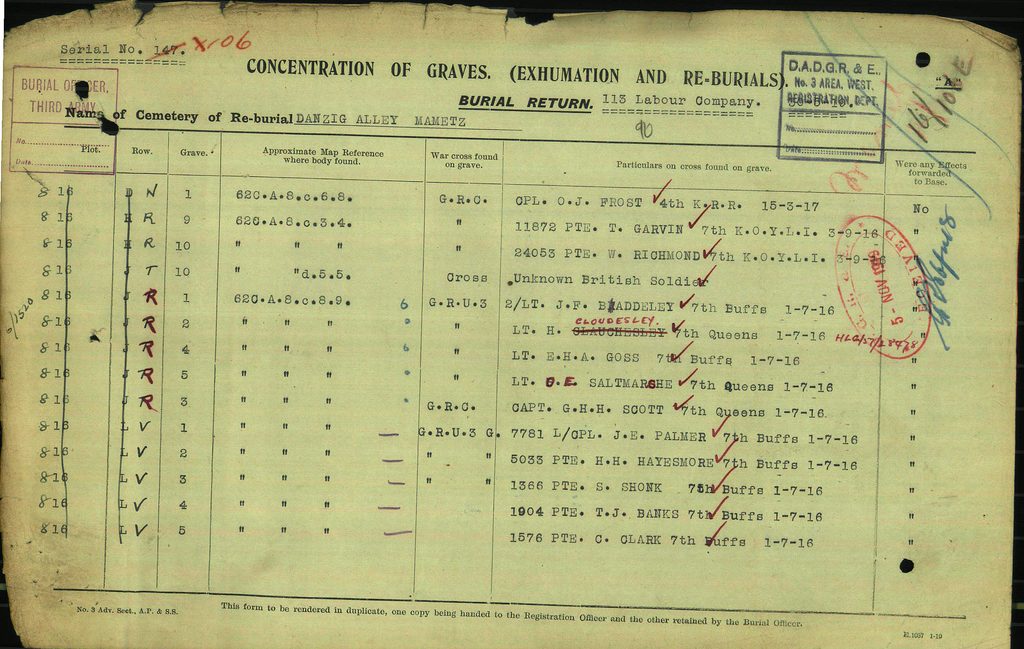
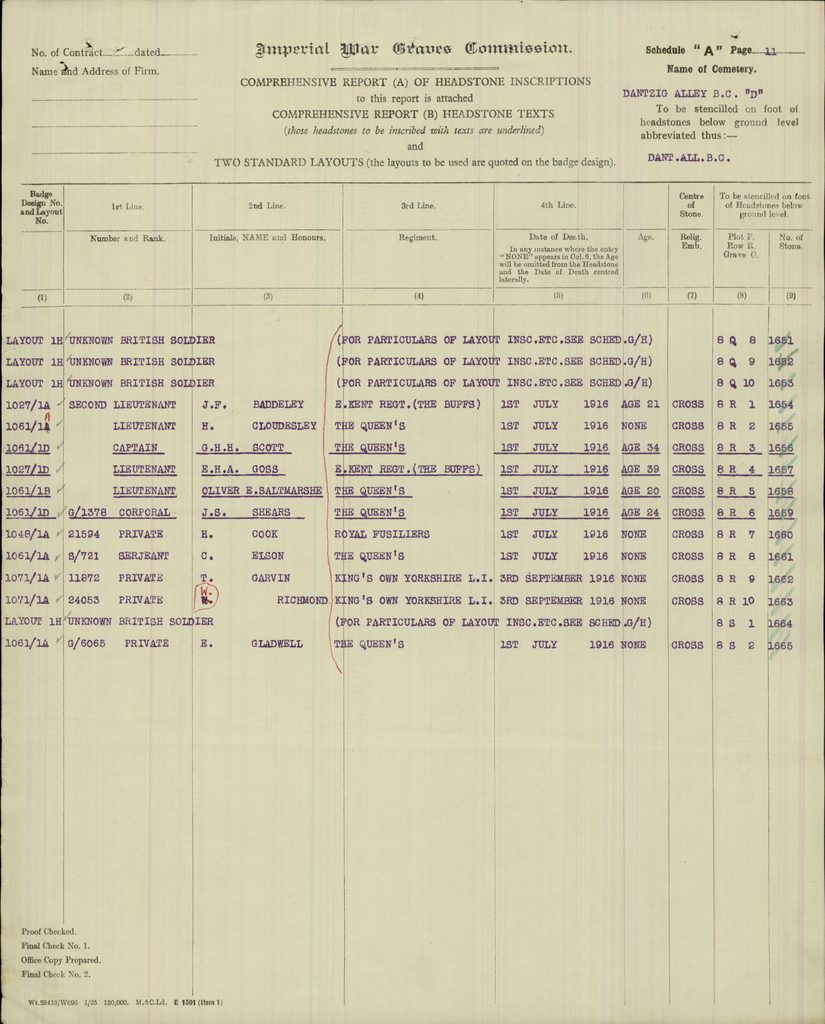
Although many battlefield graves were lost during the fierce fighting that followed, Captain Scott’s grave survived, along with those of Lieutenant Cloudsley and Lieutenant Saltmarshe, also of the 7th Battalion. All three were later reburied in Danzig Alley British Cemetery at Mametz.
Creating Glenelg’s memorial
Both Roland and George had spent happy days in Glenelg. In a letter to the architect Sir Robert Lorimer, Lady Scott imagined bereaved families gathering at the monument, reading their sons’ names and feeling a connection to those they had lost.
Lorimer designed the memorial and brought in Scottish artist and sculptor, Louis Reid Deuchars, to model the bronze group. The Highland soldier represents Peace, the winged figure Victory, and the kneeling woman a humanity stricken by war. A dove poised for flight, a broken drum and a discarded coronet reward a closer look. The memorial was unveiled in 1920 not long after the end of “the war to end all wars”. Sadly Louis died only seven years later in 1927 at the age of 57.
The memorial cost £2,560 13s 6d, a substantial sum in 1920 and equivalent to roughly £149,000 in 2026.
The memorial records 16 deaths from the Great War, including one civilian, and four from the Second World War. Among the names is Major Valentine Fleming, whose family had a home in nearby Arnisdale. His son Ian would later create James Bond. Today, Glenelg War Memorial is protected as a Category A listed structure, Scotland’s highest listing category. It is his story that I will finish the article with.
The war graves in Glenelg churchyard
On a previous visit to Glenelg and its lovely churchyard, I noted four war graves: three from the Great War and one from the Second World War. These graves tell another part of the story, of men whose service ended before they could return home alive.
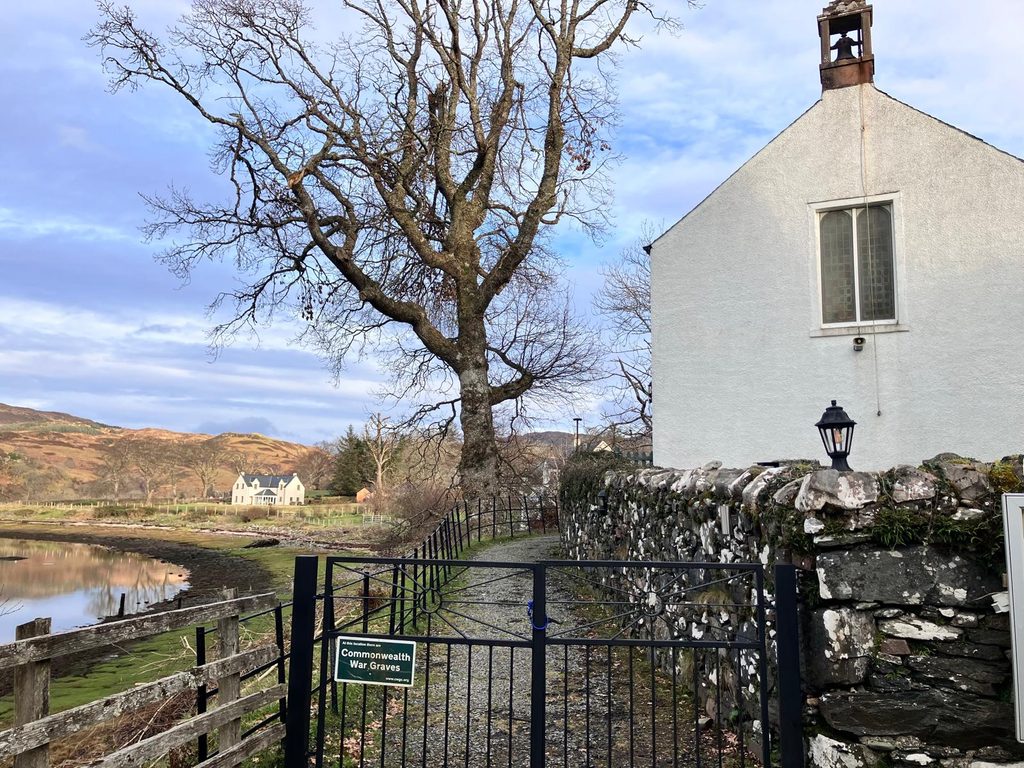
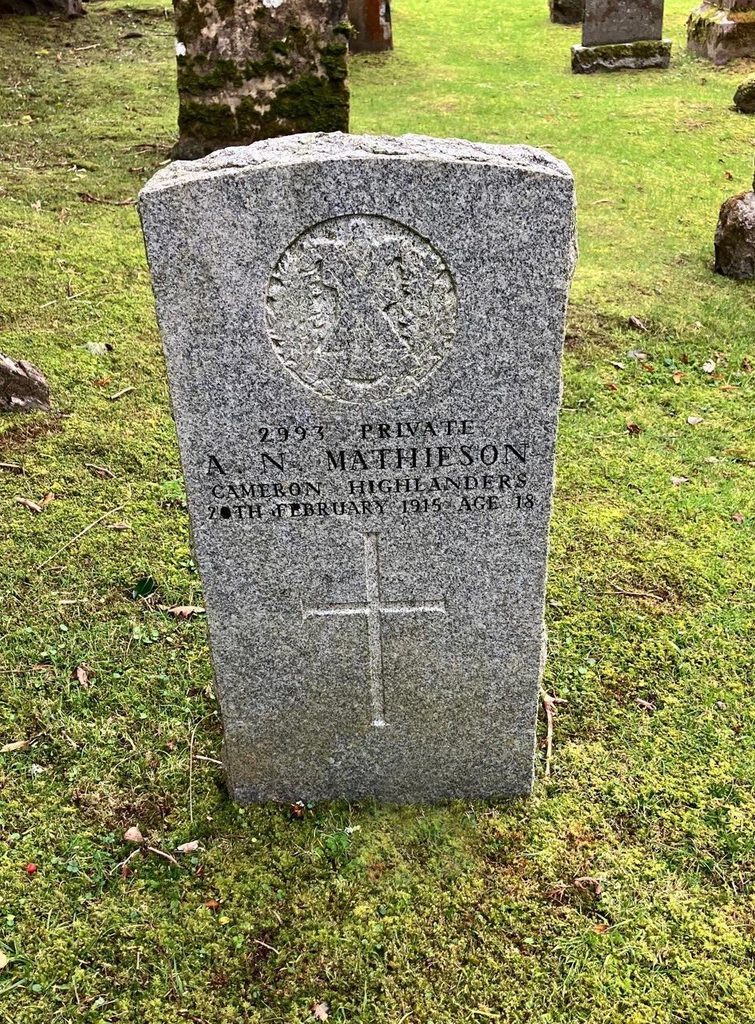
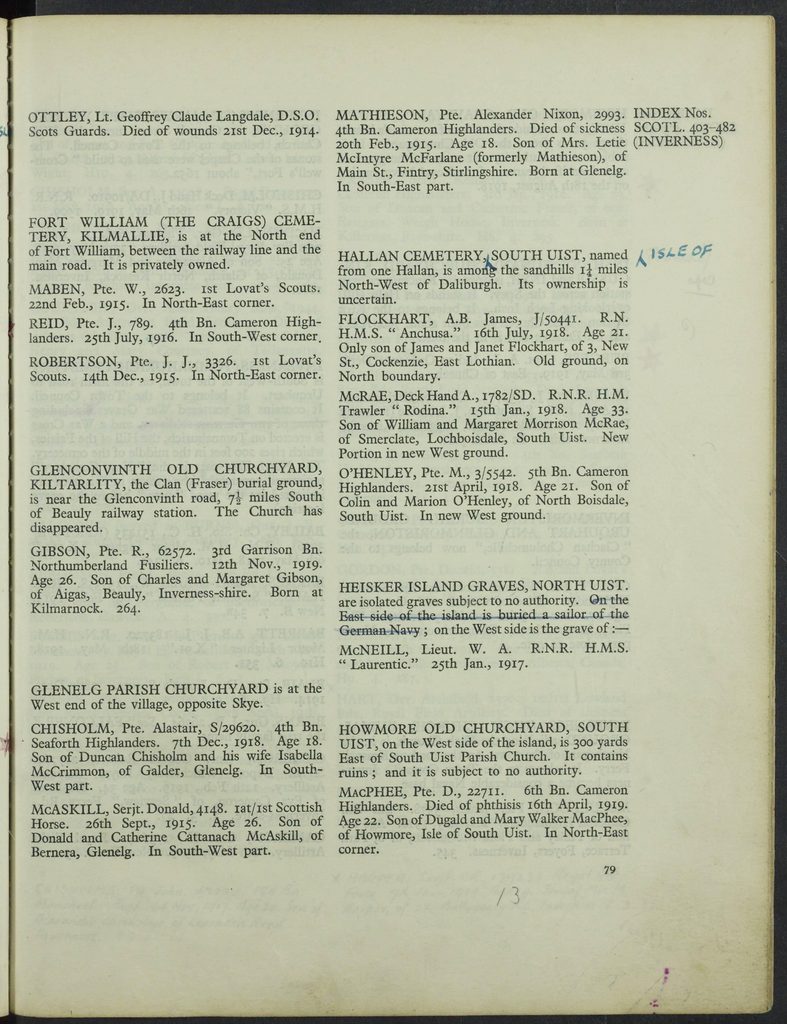
Private Alexander Nixon Mathieson
4th Battalion, Cameron Highlanders, aged 18
Alexander Nixon Mathieson was born in Glenelg. On the village’s Great War memorial, his name appears as Alex Nixon Matheson. He served as Private 2993 in the 4th Battalion, Cameron Highlanders, and died of sickness on 20 February 1915, aged 18. He was one of the many thousands of Scots soldiers that descended on Bedford for their training. He never made it to the front and he never returned home alive.
Over three days in August 1914, about 17,000 Scottish soldiers arrived in Bedford on 67 troop trains. They were men of the Highland Division, later known as the 51st (Highland) Division. Many came from small, remote Scottish communities where illnesses such as measles rarely circulated. In Bedford, measles, scarlet fever and diphtheria spread through the ranks. Most of the men who fell ill recovered. Some of those who died were taken home to Scotland for burial, while others were buried in the military section of Bedford’s Foster Hill Road Cemetery. Alexander was one of those young soldiers who succumbed to disease.
The Camerons were affected more severely than any other unit in the Highland Division. Scarlet fever, diphtheria and measles ultimately claimed the lives of 28 of their men, with at least the same number discharged as unfit for further military service.
A Bedford account records 14 deaths among the Cameron Highlanders during the measles outbreak. Alexander’s entry in the war graves register says only that he “died of sickness”, so it remains unclear whether he was among those who died of measles.
Alexander died on the day his battalion sailed for France. On 20 February 1915 the men left Bedford by train and sailed from Southampton at about half past five that evening. They disembarked at Le Havre the next morning and entered the front line for the first time at Black Watch Lane on 28 February.
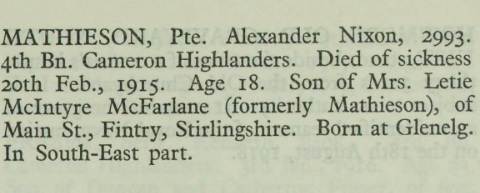
He was buried in the south-east part of Glenelg Parish Churchyard, in a lair owned by his mother, Letie McIntyre McFarlane, formerly Mathieson.
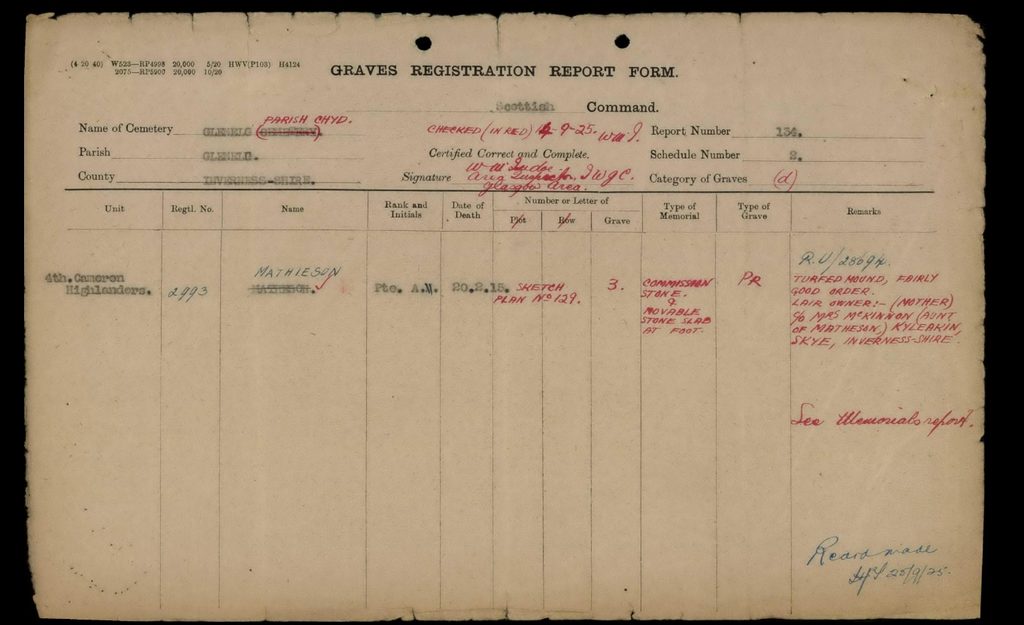
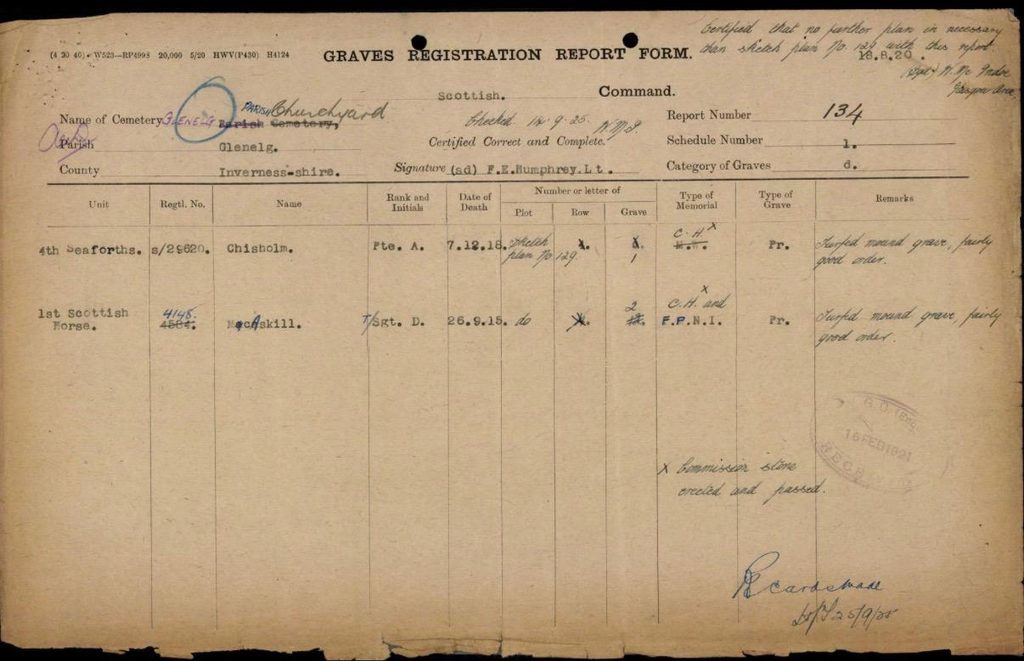
The graves registration form gives her contact address care of Mrs McKinnon, Alexander’s aunt, who lived in Kyleakin on Skye. The printed register gives his mother’s address as Main Street, Fintry, Stirlingshire.
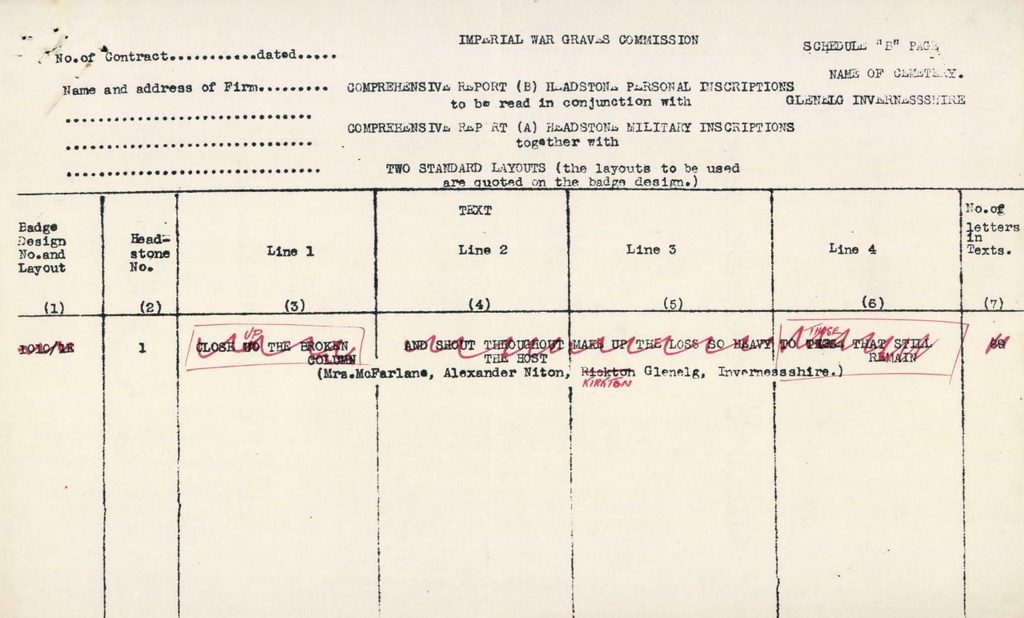
An Imperial War Graves Commission schedule preserves four lines proposed for Alexander’s headstone, with Mrs McFarlane’s name typed beneath them. With the handwritten corrections, it reads:
Close up the broken column,
And shout throughout the host,
Make up the loss so heavy
To those that still remain.
The lines adapt a verse from George Duffield Jr.’s 1858 hymn “Stand Up, Stand Up for Jesus.” The proposed inscription appears to have been struck through in red. It may never have been carved, but the schedule preserves the words submitted for Alexander’s grave. At 3½d per letter, the proposed inscription would have cost £1 5s 11½d in pre-decimal currency, equivalent to about £102 today. Many graves had no personal inscription because families were very poor. The schedule gives no reason why Alexander’s proposed inscription was crossed out.
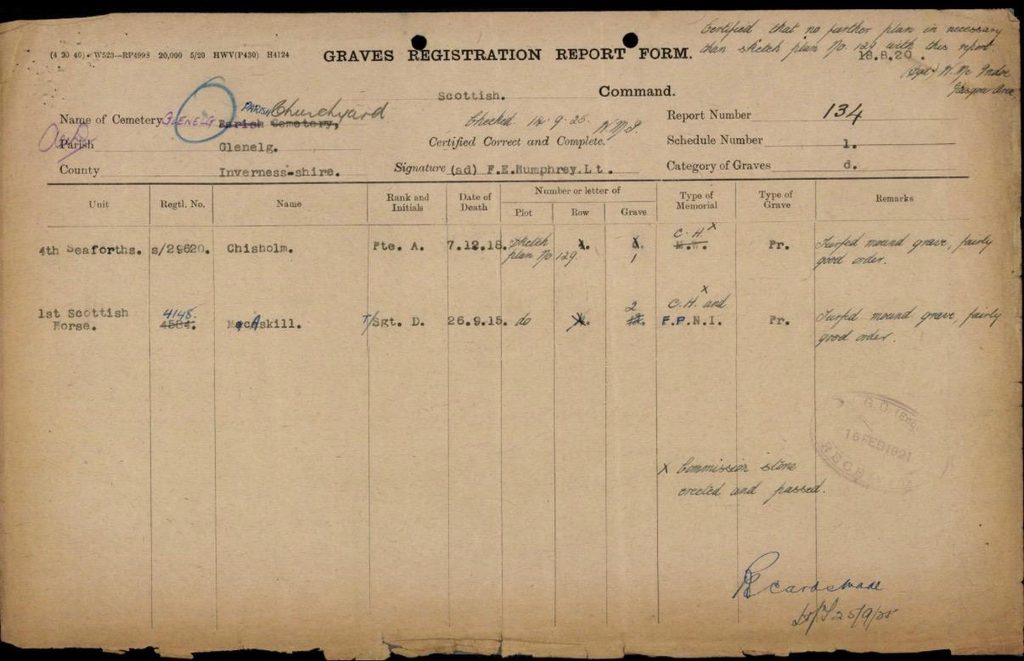
Private Alistair Chisholm
4th Battalion, Seaforth Highlanders, aged 18
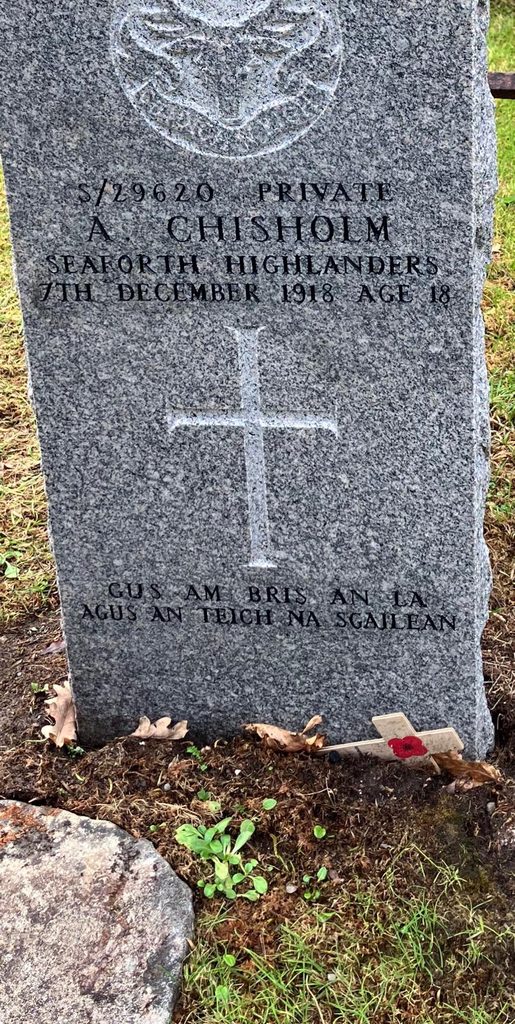
‘Until the day breaks and the shadows shall flee’
Alistair had joined up in October 1917, but fell ill while training at Glencorse, Midlothian. His brothers were also in service. Sgt. Duncan Chisholm (Lovat Scouts), Capt. Roderick Chisholm (Camerons), Signaller Donald Chisholm (Seaforths).
His brother Alexander was 2nd Mate on the SS Grenadier and he was killed on 23 February 1917. His ship hit a mine laid by a German submarine and sank with the loss of eight lives. Alexander is commemorated on the Glenelg War Memorial and also on the Tower Hill Memorial in London.
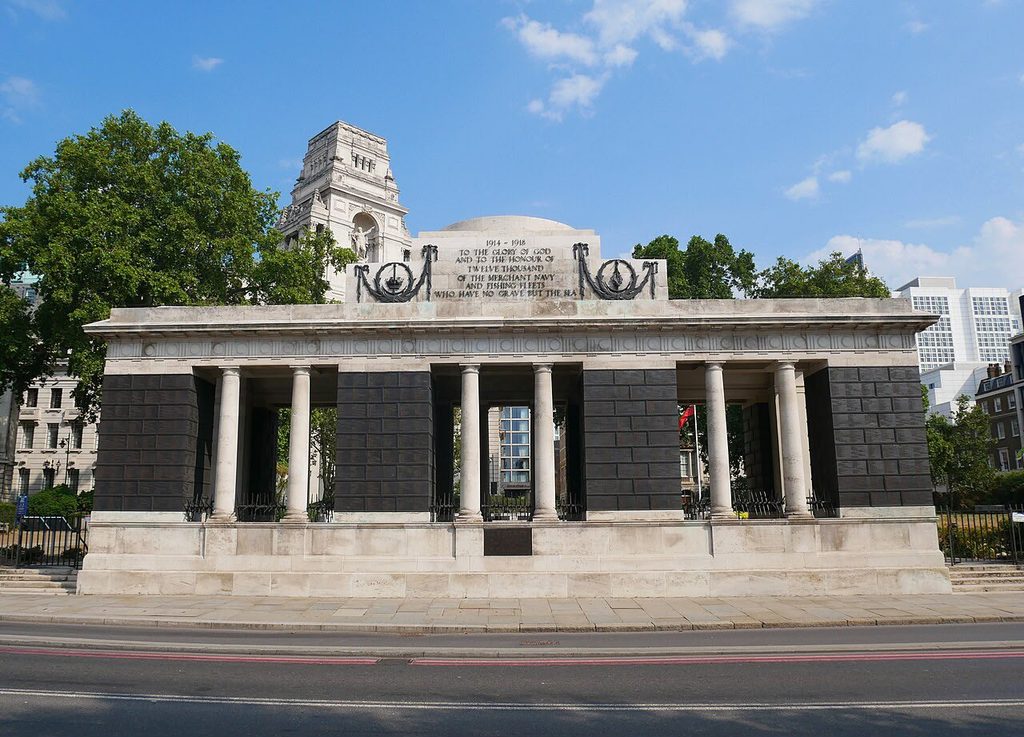
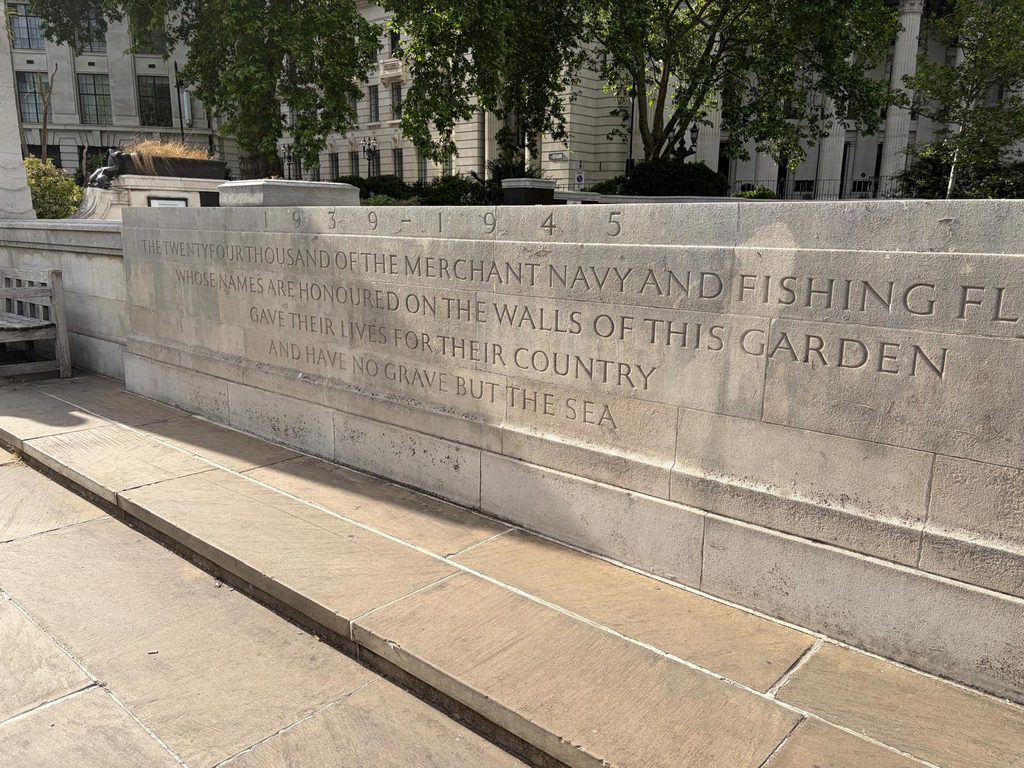
Tower Hill commemorates merchant seafarers and fishermen who died in the two world wars and have no known grave.
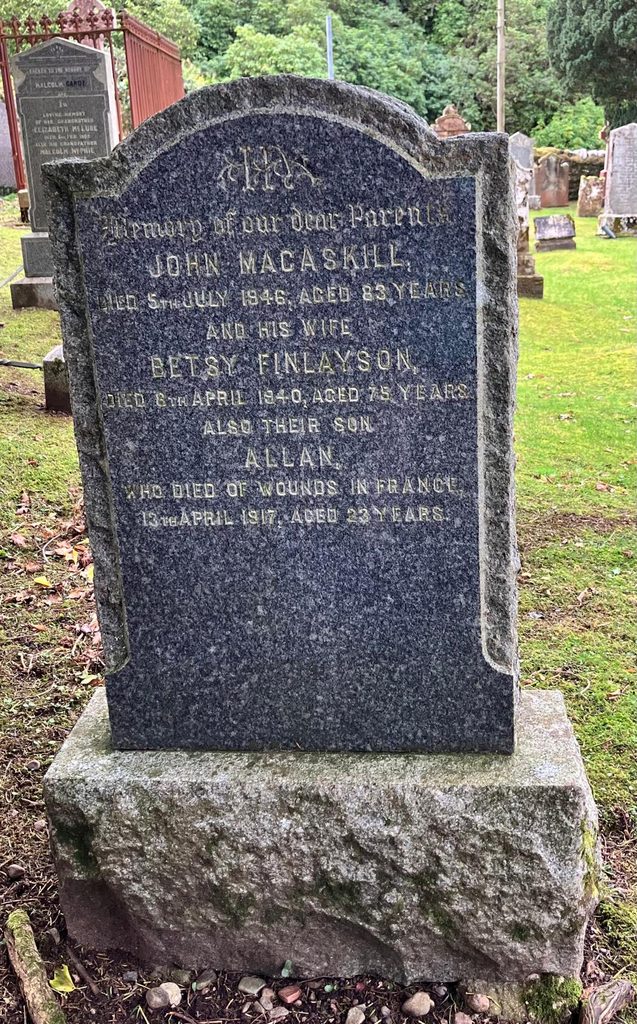
Private Allan McAskill, 6th Queens Own Cameron Highlanders
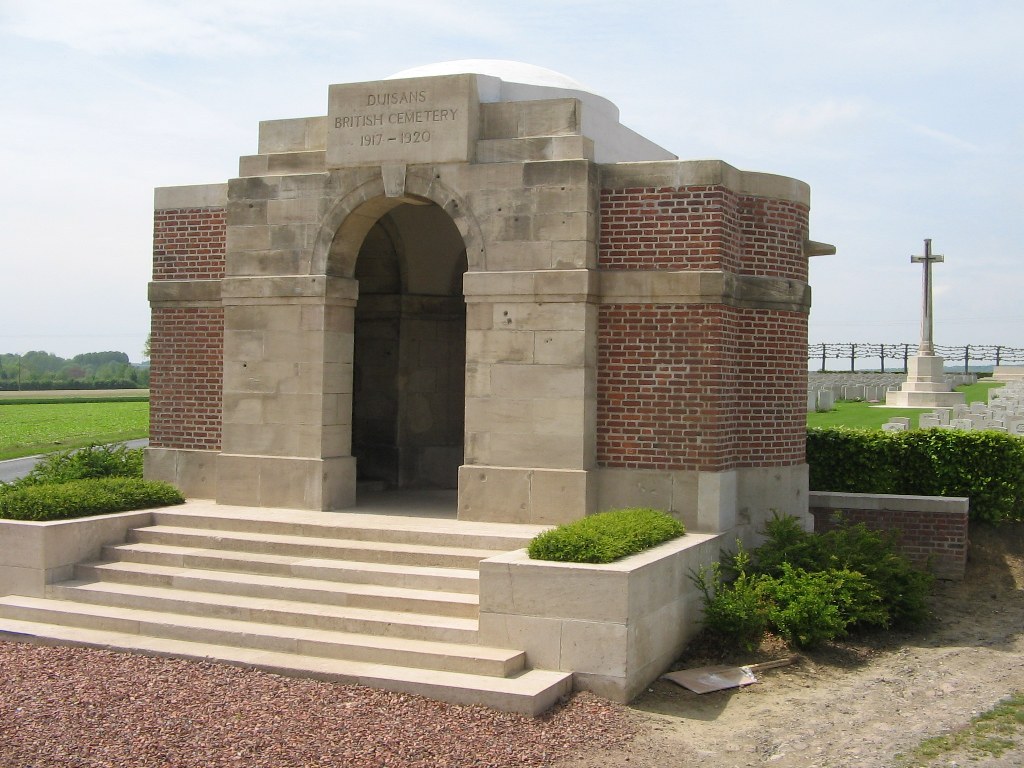
Private McAskill, died on 13th April in 1917 and is buried north of Arras in Northern France. The cemetery is Duisans British Cemetery, Etrun and I have visited there before on a couple of occasions as a guide. It has Second World War damage on the entrance to it, from German attacking British troops retreating to the coast in 1940.
Allan is also commemorated on his family’s headstone in Glenelg, as so many soldiers are. Few families could afford to visit their loved ones’ graves abroad, so local memorials and family headstones became places where they could pay their respects and grieve. Across Britain, cemeteries contain countless inscriptions remembering soldiers buried or commemorated in foreign lands. Public memorials offered communities a shared place to mourn and gave collective expression to their loss.
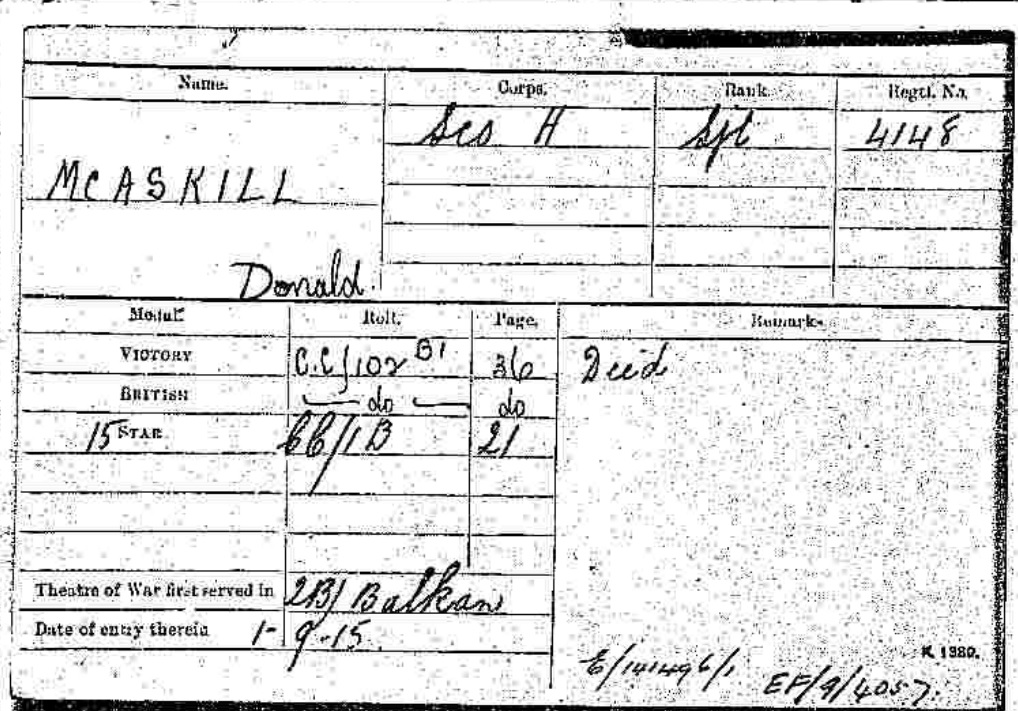
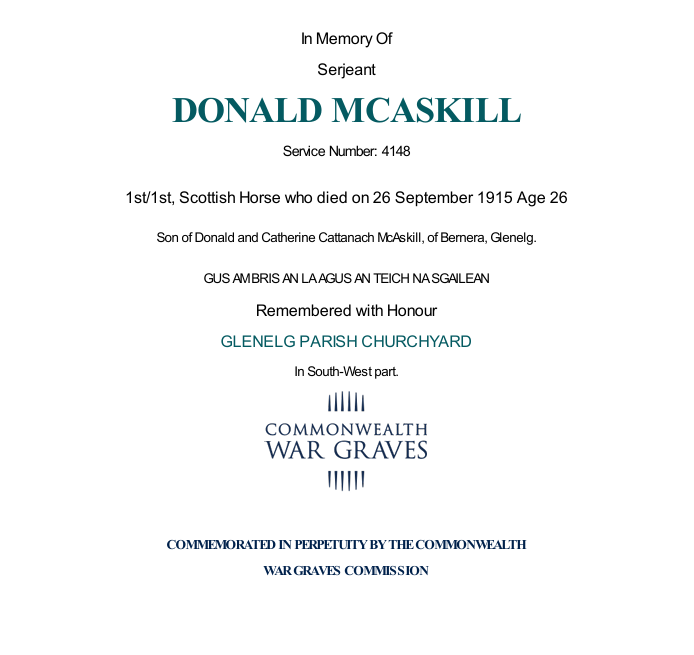
Sergeant Donald McAskill,1st Scottish Horse
Donald was the son of Donald and Catherine Cattanach McAskill, of Bernera, Glenelg. He died on 26 September 1915, aged 26 is commemorated in the churchyard ( I have misplaced his CWCG photo but will put it online soon) and commemorated on the Glenelg War Memorial.
The Scottish Horse served at Gallipoli as infantry, despite being a mounted regiment. Its three first-line regiments formed a brigade which arrived at Suvla Bay in early September 1915, joining the 2nd Mounted Division. The men fought on foot and remained on the peninsula until December. Unfortunately, when they landed on 2nd September 1915, they were heavily shelled on the beaches.
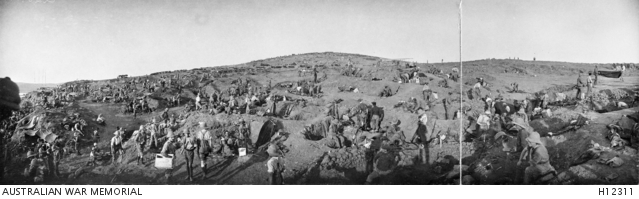
Donald died of wounds disease and most likely had been evacuated to a hospital ship, only to succumb to his injuries back in Britain. Thousands of troops suffered from dysentery and had to be evacuated to Egypt and eventually some made it back to Britain. However, many never made it home – Captain William F. Proctor, 1st Scottish Horse, was wounded and died on 29 September 1915. He was buried on East Mudros Military Cemetery on Lemnos, Greece.
At least Donald’s family got him home to bury. Many overseas, did not even have a named grave. So many lost in unknown graves and their name places on the many memorials to the missing in France and Belgium.
RELATED PLACES AND STORIES
Sandaig and the Maxwell family
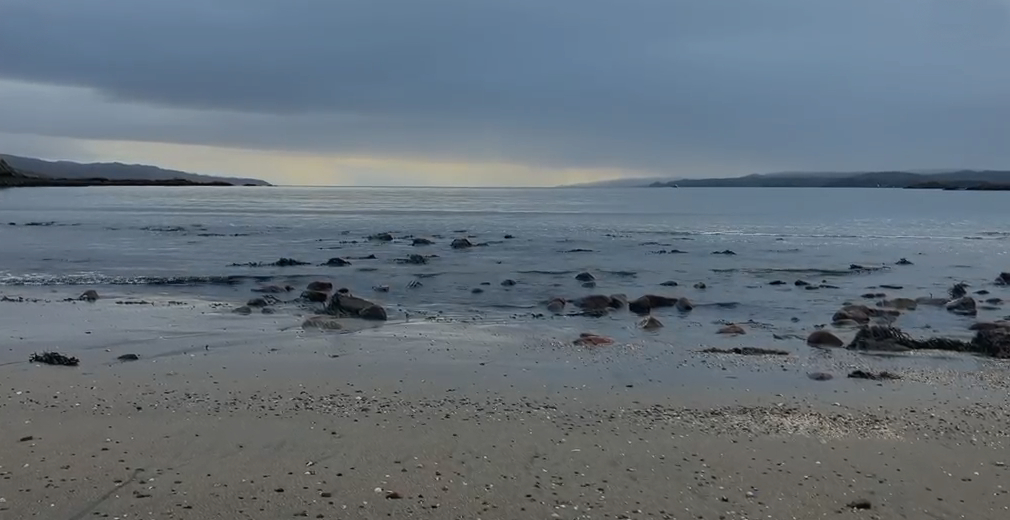
A few miles south of Glenelg lies Sandaig, the real-life Camusfearna where Gavin Maxwell lived with the otters he wrote about in Ring of Bright Water.
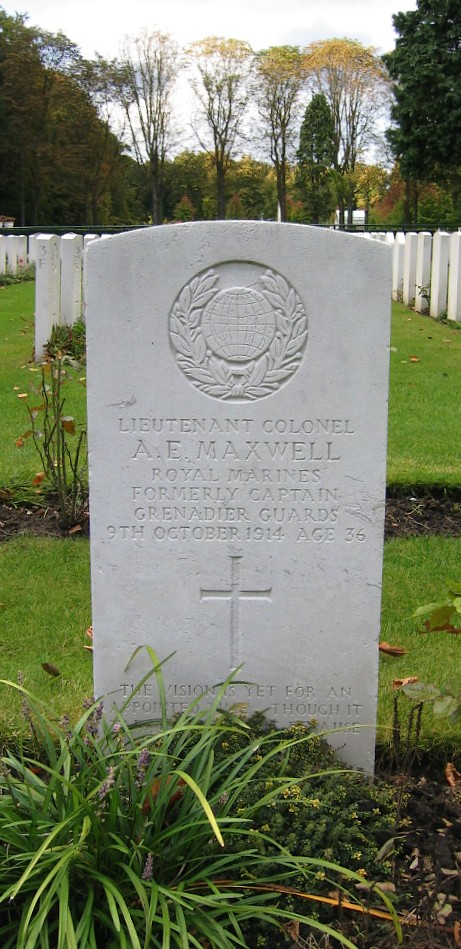
The First World War also touched the family of Gavin Maxwell, who later wrote Ring of Bright Water about his life with otters at Sandaig on the Eileanreach estate. Maxwell was born on 15th July 1914 at House of Elrig, his family home near Port William in Wigtownshire. Less than three months later, his father, Lieutenant Colonel Aymer Edward Maxwell, died of wounds sustained during the defence of Antwerp. He had been wounded in the head by the first shell of the bombardment on 8 October 1914. He died the following day in the military hospital at Antwerp and was buried in its garden. Aymer is buried in Schoonselhof Cemetery in Belgium.
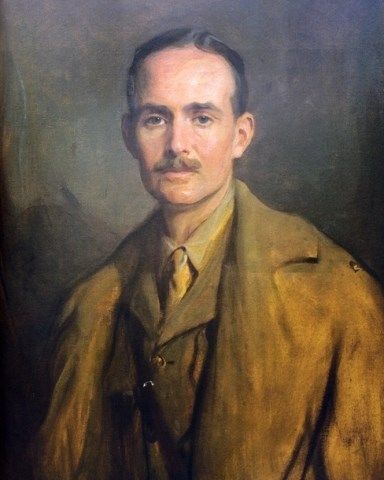
Only three months old when his father died, Gavin Maxwell became the focus of his mother’s grief and affection, growing up deeply cherished and closely sheltered. A lot has been written about Gavin Maxwell’s life but he had been impacted by the loss of his father during the Great War. An entire generation, across every social class, had been affected, and the repercussions were felt throughout the country for years to come.
Another young man whose father died in the Great War was Ian Fleming, the writer of the Bond novels.
Major Valetine Fleming
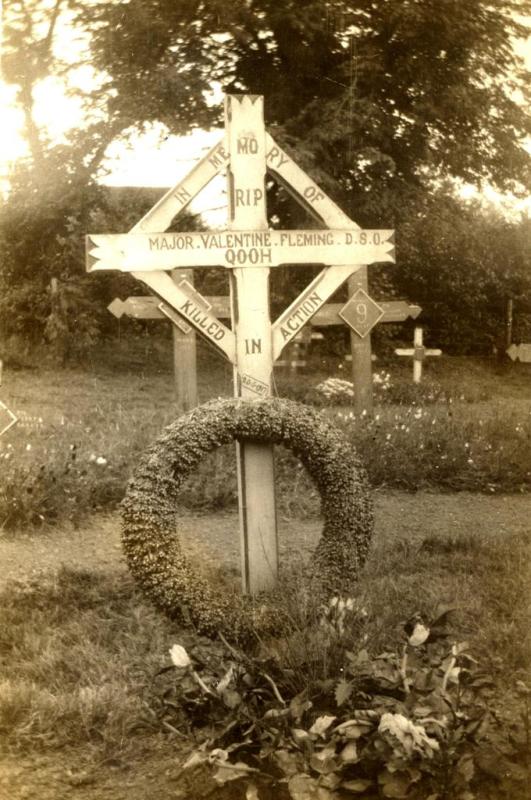
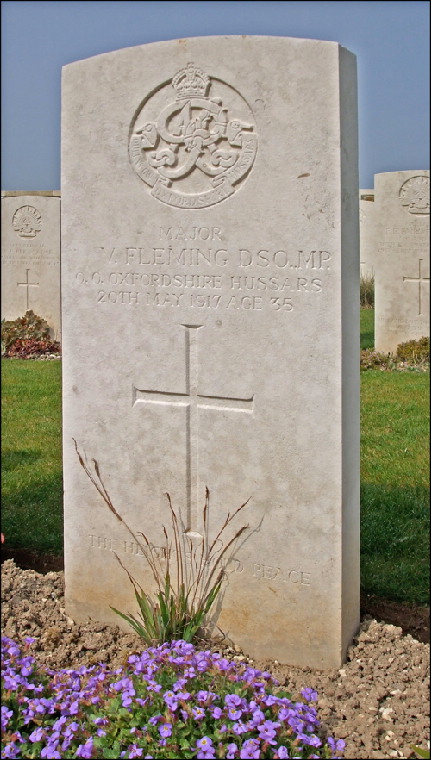
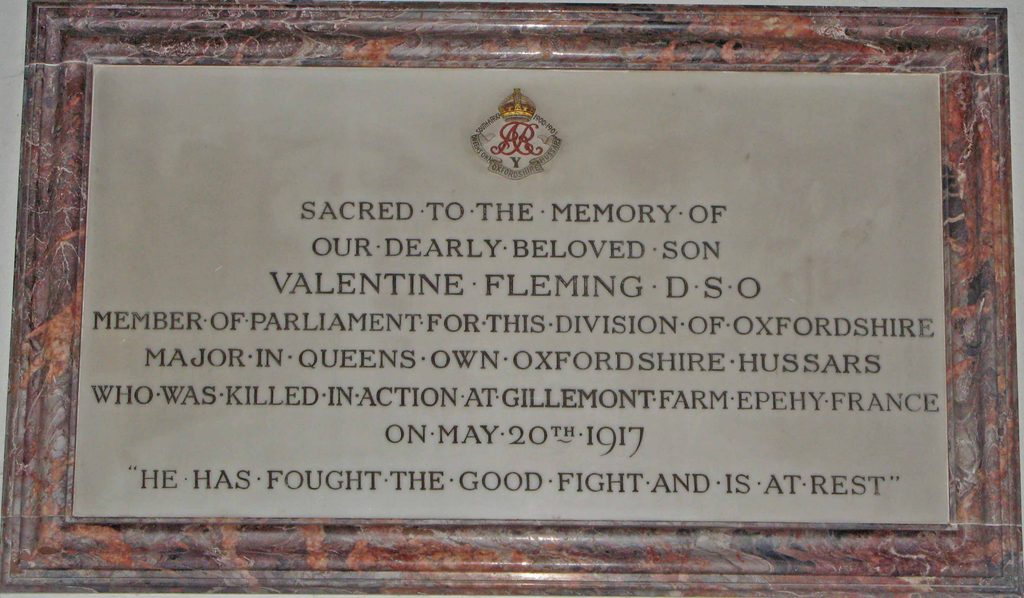
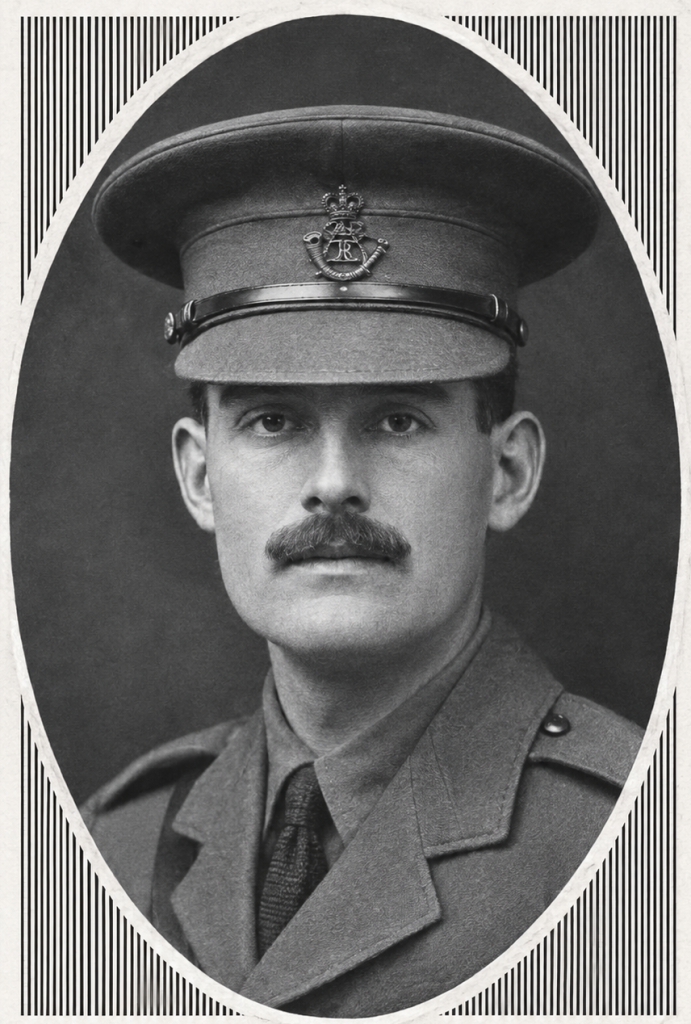
The first name on Glenelg War Memorial is Major Valentine Fleming, DSO, MP, proprietor of the nearby Arnisdale estate and father of Ian Fleming, creator of James Bond. He served with the Queen’s Own Oxfordshire Hussars. He was killed by German shellfire near Épehy in France on 20th May 1917, aged 35. His son, Ian, learned of his fathers death just days before his ninth birthday.
Courtesy of Nancy Wright, Find A Grave
Standing 18 feet tall, Glenelg War Memorial bears just 20 names, yet reflects the breadth of Scotland’s sacrifice: two brothers, emigrants to New Zealand and Canada, men with no known grave, and those who served in the Army, Merchant Navy, Royal Navy and RAF across two world wars. They came from different generations, social classes and walks of life. They gave their tomorrows for our today.
Lest We Forget
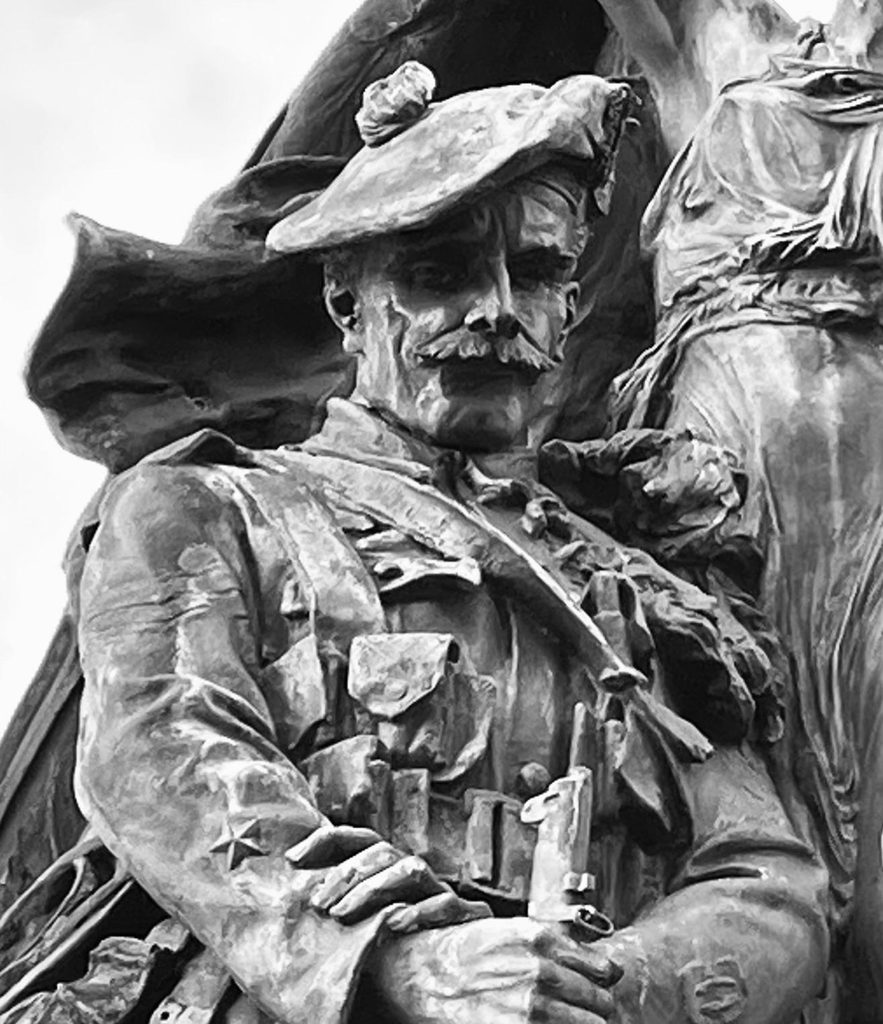
The Cameron Highlander
[/et_pb_text][/et_pb_column] [/et_pb_row] [/et_pb_section]